What are the best color schemes for a small kitchen
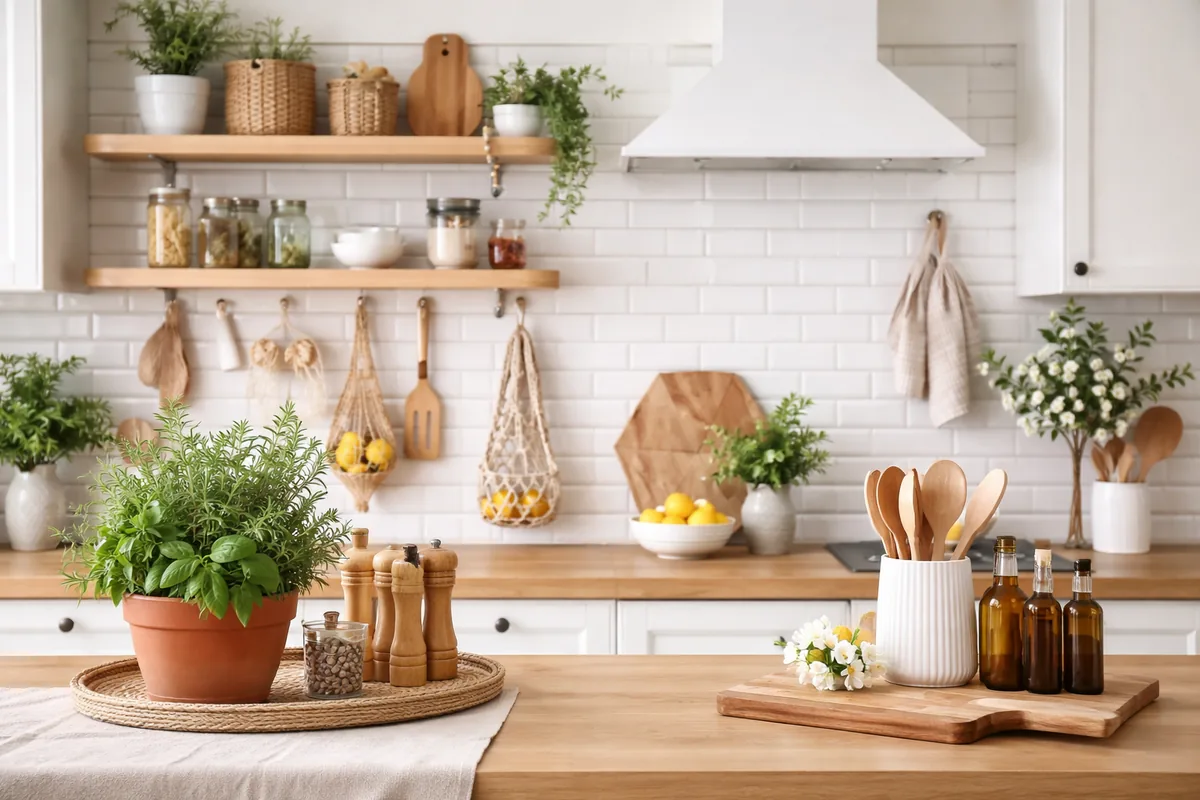
The best color schemes for a small kitchen incorporate shades that create an illusion of space while enhancing light. Light colors such as whites, creams, and pastels are perfect for making the area feel more open. Additionally, utilizing bolder accent colors can add personality without overwhelming the space.
Light colors and their effects
Choosing light colors for a small kitchen can significantly change its perception. Whites and soft pastels can reflect light, making the kitchen appear larger and more inviting. Opting for shades like soft beige, pale blue, or mint green can simultaneously provide a fresh and airy feel. For cabinetry, consider using glossy finishes, which further enhance brightness and give the illusion of space.
Bold accents in a subtle palette
Incorporating bold colors in moderation can add vibrancy to a small kitchen without compromising the feeling of openness. For example, if you choose a pale gray for the walls, accenting with a deep navy or a rich emerald green on kitchen accessories or a feature wall can create a striking contrast. Keep the major elements in subdued shades and allow your bold accents to adorn smaller features such as light fixtures, utensils, or decorative items.
Two-tone kitchen designs
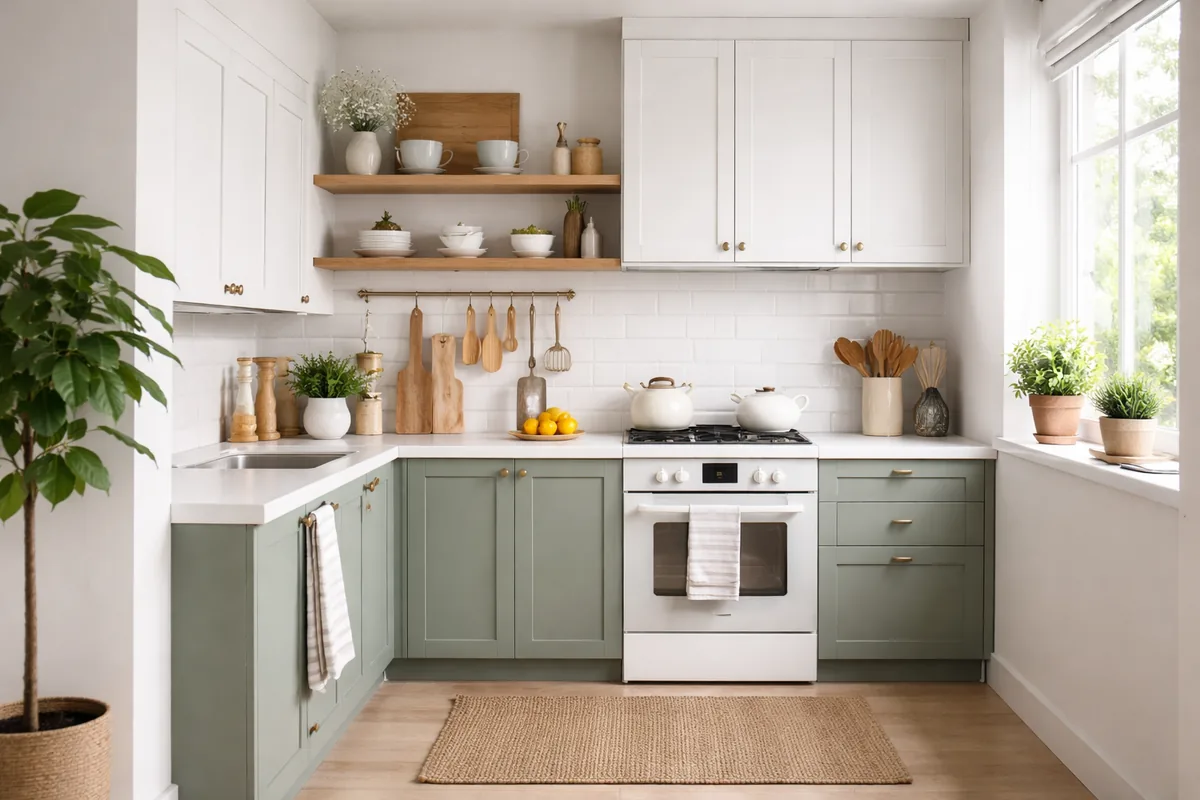
Using a two-tone approach can help define areas within a small kitchen. By painting the upper cabinets a lighter color and the lower cabinets a darker shade, you create visual interest and depth. For instance, pairing a cream upper cabinet with a charcoal gray lower cabinet highlights the upper space while grounding the kitchen with the darker color below. This technique not only helps delineate space but allows for creativity in your color choices.
Incorporating nature-inspired colors
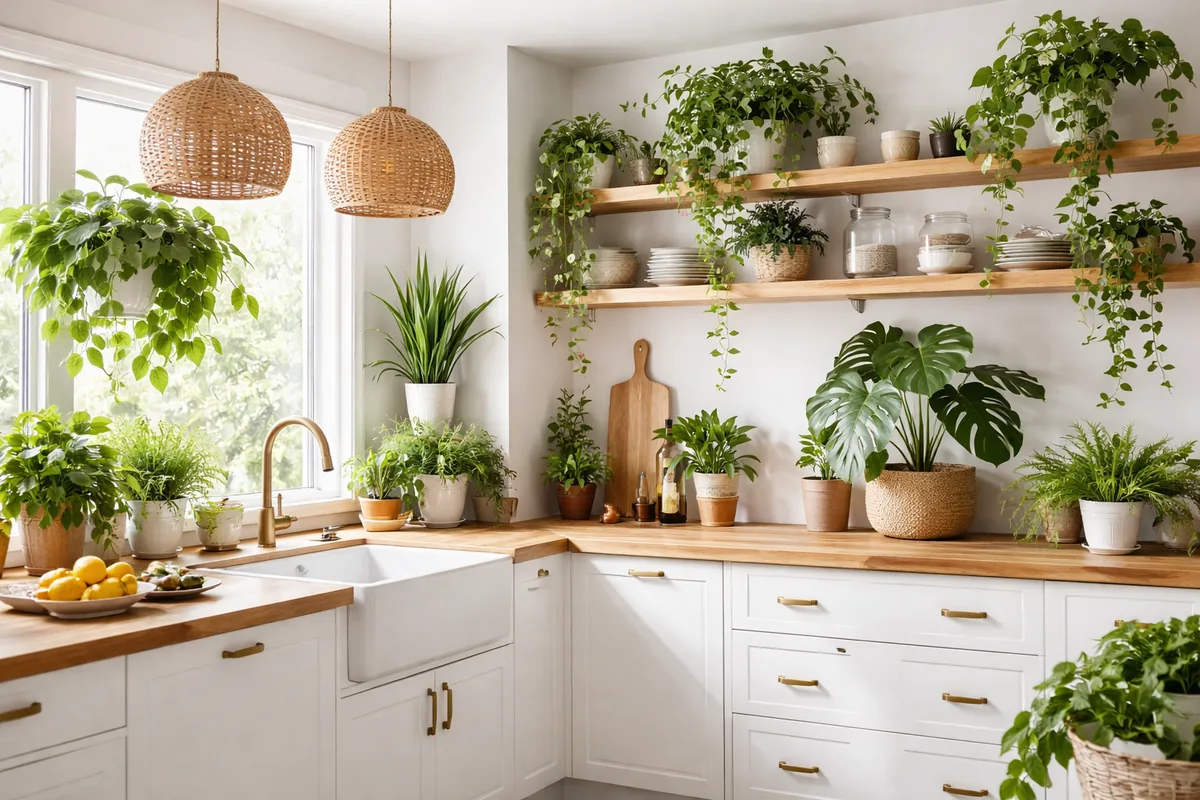
Colors inspired by nature can instill a sense of calm and serenity in your small kitchen. Earthy tones such as terracotta, sage green, or soft browns can bring warmth while also maintaining an open feel. These colors resonate well with natural materials like wood and stone, which can add texture to your kitchen. This palette effortlessly connects the indoor environment with the outdoors, elevating the overall aesthetic.
Creating a cohesive look with hardware and accessories
The choice of hardware and accessories plays a crucial role in enhancing your color scheme. To create a cohesive look, select cabinet knobs and handles that complement your chosen colors. For example, if opting for a light gray kitchen with green accents, consider brushed gold or brass hardware for a touch of elegance. Small decorative items also matter; ensure they align with the overall palette to pull the design together harmoniously.
Color combinations to avoid
While many color schemes can enhance your small kitchen, certain combinations may detract from its visual appeal. Avoid using dark colors in excess, as this can make the space feel smaller and more cramped. Additionally, clashing colors can disrupt the flow of the room, making it appear chaotic. Stick with colors that complement each other for a more polished and inviting look.
| Color Scheme | Benefits | Ideal Applications |
|---|---|---|
| Light neutrals | Enhances light, creates space | Walls, cabinetry |
| Bold accents | Adds vibrancy, personality | Accessories, feature walls |
| Two-tone | Defines areas, adds depth | Cabinets, countertops |
| Nature-inspired | Creates calm atmosphere | Walls, decor |
Choosing the right finishes
The finish of paint and materials greatly affects the perception of color in a small kitchen. Matte finishes can absorb light, potentially making colors appear darker and more enclosed. Conversely, glossy finishes can reflect light and add a sense of brightness. For a balanced approach, consider matte colors for larger surfaces, while saving glossy finishes for smaller elements like backsplashes or cabinet doors to provide an eye-catching contrast.
Testing colors before commitment
Once you select potential color schemes, it is vital to test them in your space before making a final decision. Purchase small sample pots of paint and apply them to a section of your wall or consider using adhesive color samples that can be moved around. Observe how each color looks at different times of the day to gauge how the light impacts your choices.
FAQ
What color makes a small kitchen look bigger?
Light colors such as whites, creams, and soft pastels are most effective in making a small kitchen appear larger. They reflect light and create a more airy feel.
Can I use dark colors in a small kitchen?
While dark colors can define areas and add depth, using them excessively can make a small kitchen feel cramped. It is best to use them as accents rather than primary colors.
What are some popular color combinations for small kitchens?
Popular combinations include light neutrals with bold accents, such as gray paired with navy, or soft beige with terracotta details. These can create a balanced yet engaging palette.
How do I choose a color for kitchen cabinets?
Consider the overall color scheme of your kitchen, choosing cabinet colors that complement wall colors while reflecting your style. Samples can help in making the right decision.
Are there colors to avoid in a small kitchen?
Avoid overly dark or clashing colors, as they can disrupt flow and make a space feel confined. Stick to harmonious colors for a polished look.