How to incorporate plants into your kitchen design
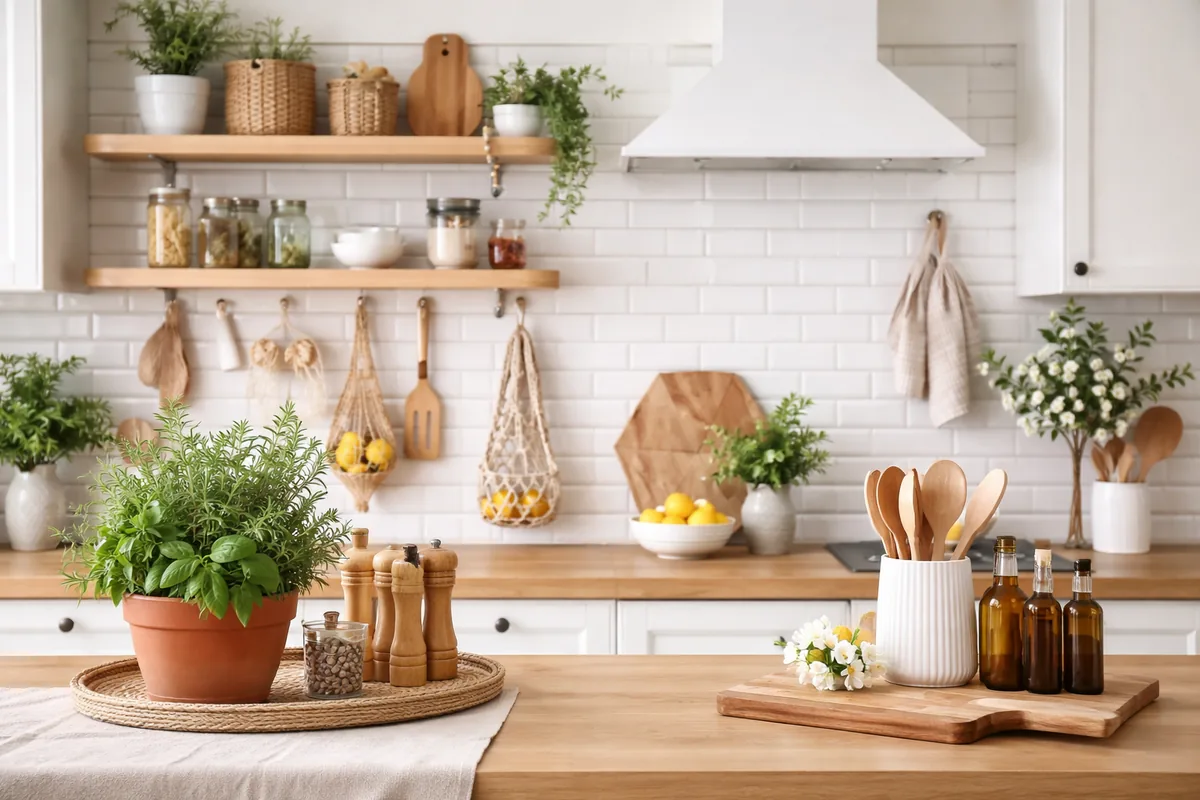
Incorporating plants into your kitchen design brings life, color, and fresh air to one of the most used spaces in your home. From hanging herbs to vibrant potted foliage, plants enhance both aesthetics and health.
Choosing the right plants for your kitchen
When selecting plants for your kitchen, consider factors like light availability, humidity, and your own maintenance capabilities. Common choices include herbs such as basil, rosemary, and mint, which not only add greenery but also serve culinary purposes. For larger accents, consider snake plants and pothos, which tolerate lower light and contribute to air purification.
Placement ideas for maximum impact
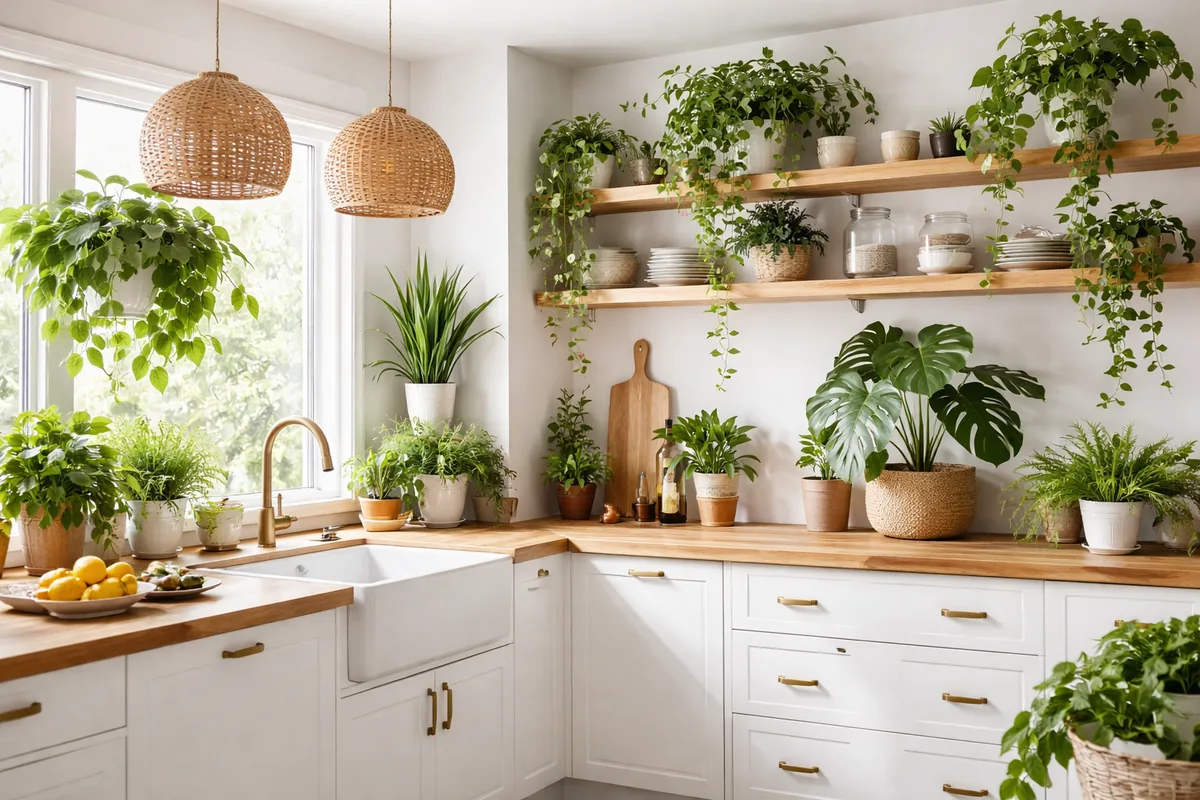
Strategically placing plants is essential for both visual appeal and health benefits. Utilize windowsills to create a herb garden where they can catch natural sunlight while being within reach for cooking. Hanging planters can save space and add an aesthetic dimension above your counters. Additionally, consider having larger floor plants in corners to create a lush environment that draws the eye.
Vertical gardens as a decor trend
Vertical gardens, or living walls, have surged in popularity and are an innovative way to integrate plants into your kitchen. These setups can be made with modular panels or wall-mounted containers. They not only maximize space but also transform an ordinary wall into a stunning focal point. Choose a mix of trailing vines and vibrant foliage to create a breathtaking feature, particularly in smaller kitchens where floor space is limited.
Using plant stands and shelves
Plant stands and shelves offer versatile options for showcasing your greenery. A well-placed tiered plant stand can accommodate several pots, simultaneously elevating plants to different heights for a more dynamic visual. Open shelves in your kitchen can also double as plant displays; consider arranging small pots with herbs or colorful flowers among your cookbooks or utensils. This creates a natural interplay between your kitchen's functionality and decorative elements.
Making the most of natural light
Evaluating the light conditions in your kitchen is crucial when incorporating plants. Most plants prefer bright, indirect sunlight; therefore, consider positioning them near windows that receive filtered light. For kitchens with limited natural light, opt for low-light plants or use grow lights to ensure your plants flourish. Combining different light requirements can create a naturally diverse environment, allowing you to utilize various textures and colors to enhance your kitchen’s design.
DIY projects for plant incorporation
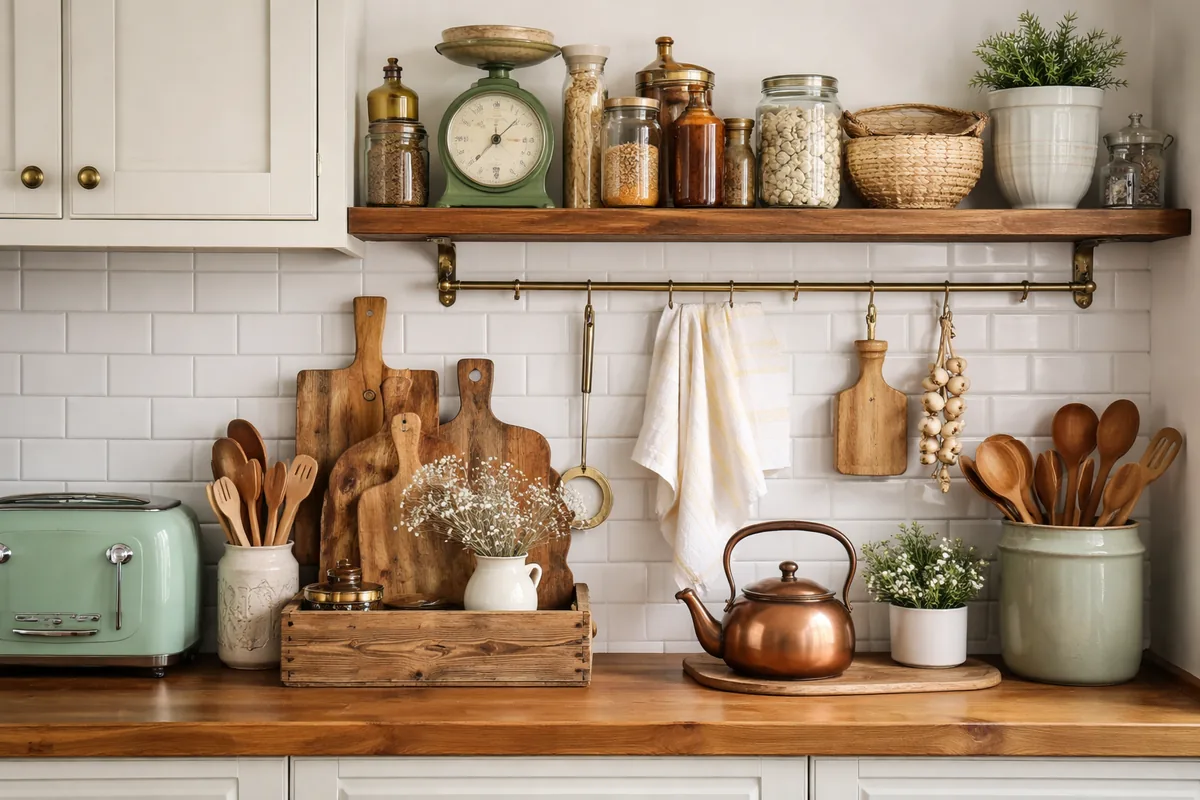
Engaging in DIY projects allows you to personalize your kitchen with plant displays. Hanging macramé plant holders are a great way to add bohemian flair and save space. Upcycling mason jars as cute herb containers or creating a small succulent garden in recycled tin cans can add charm and creativity, making your decor truly unique. Furthermore, consider custom-made wooden planters that complement your kitchen cabinetry or style.
| Plant Type | Light Requirements | Watering Needs | Uses |
|---|---|---|---|
| Basil | Bright, indirect sunlight | Water once a week | Culinary herb |
| Snake plant | Low to bright light | Water every 2-6 weeks | Air purification |
| Pothos | Low to bright, indirect light | Water every 1-2 weeks | Decorative |
Maintaining your kitchen plants
Ensuring your plants thrive comes down to proper maintenance. Regular watering, dusting off leaves, and checking for pests can help keep your plants healthy. Use quality soil and consider fertilizers specific to your plant types. Observing their growth and adjusting care based on their needs will result in a vibrant kitchen garden.
Budget-friendly options for plant decor
Creating a plant-filled kitchen doesn't have to be costly. Many nurseries offer affordable plants, and you can often propagate from friends’ plants. Thrift stores are excellent resources for unique pots and planters. Additionally, using kitchen items like glass jars or old teacups can add character while saving money. Ensuring you stick to a budget allows for whimsical creativity without overspending.
FAQ
What are the easiest plants to grow indoors?
Some of the easiest plants to grow indoors include pothos, snake plants, and spider plants, as they require minimal care and adapt well to various light conditions.
Can I grow herbs indoors in my kitchen?
Yes, herbs such as basil, parsley, cilantro, and mint can successfully grow indoors, especially in a kitchen environment where they can receive adequate light and humidity.
How can I maintain my indoor plants?
Regular watering, providing adequate light, using quality soil, and dusting leaves to ensure healthy growth are essential for maintaining indoor plants.
Are there any plants that purify the air in my kitchen?
Certain plants like snake plants, pothos, and peace lilies are known for their air-purifying qualities, helping to maintain a healthier kitchen atmosphere.
How often should I water my kitchen plants?
The frequency of watering depends on the plant type; generally, herbs need watering once a week, while hardier plants like snake plants may require watering every 2-6 weeks.