How to effectively use color to enhance your kitchen decor
Using color strategically can significantly enhance your kitchen decor, creating an inviting atmosphere and highlighting specific areas. Start by identifying your desired mood—warm tones like yellows and oranges can create a cozy feel, while cool tones such as blues and greens promote calmness. This article explores the effective use of color in kitchen decor.
Choosing a color scheme that reflects your style
Choosing a cohesive color scheme is the foundation of any successful kitchen decor. Consider whether you prefer a modern, traditional, or eclectic style. Modern kitchens often benefit from monochromatic palettes featuring grays, whites, and blacks, while traditional styles may incorporate warm colors like creams and rich browns. Eclectic styles offer the freedom to mix a variety of hues. One common approach is the 60-30-10 rule, where 60% of the room is the dominant color, 30% is a secondary color, and 10% is an accent color. This ensures balance and visual interest in your kitchen.
Creating focal points with bold colors
Bold colors can serve as focal points in your kitchen, drawing attention to specific architectural features or decor items. A vibrant island or statement cabinetry can become a centerpiece of your kitchen. When using bold colors, it's essential to keep the rest of the palette neutral to prevent overwhelming the space. For instance, a navy blue island combined with white countertops can provide a striking yet harmonious look. To assist in selecting bold colors, consider creating a color board with paint swatches and decor elements to visualize how they work together.
Using color in small kitchens
In small kitchens, color choices can dramatically affect the perceived space. Light colors like soft pastels or whites can make the area appear larger and more open. Utilizing reflective surfaces such as glossy tiles or glass backsplashes can further enhance the sense of space by bouncing light around the room. Conversely, if you prefer darker colors, opt for them on cabinets or accent walls while keeping other elements light and airy to maintain a spacious feel.
Accent colors and accessories for subtle updates
If a complete color overhaul isn’t feasible, consider introducing accent colors through accessories and decor. Items such as dishware, curtains, and wall art can bring pops of color without a major commitment. For example, a collection of brightly colored dish towels or a bold piece of wall art can invigorate your space. This approach allows you to experiment with trends and personal preferences without necessitating a complete remodel.
The psychology of color in kitchen decor
The psychology of color plays a pivotal role in how we perceive space and can influence moods. For instance, yellow is known to stimulate appetite and promote happiness, making it an excellent choice for a dining area within the kitchen. Similarly, green is associated with health and freshness, perfect for kitchens that emphasize organic and healthy cooking. Understanding these associations can guide your choice when selecting the ideal colors.
Durability and maintenance considerations
While aesthetic appeal is vital, consider the durability of colors in your kitchen decor. High-traffic areas may require colors that are easy to clean and resist stains. For instance, darker cabinet finishes or washable paint in high-gloss finishes can withstand the daily wear and tear typical of a kitchen environment. Additionally, incorporating durable materials in your color scheme, such as tile or stainless steel, can enhance longevity while maintaining your preferred color palette.
| Color | Psychological Effect | Best Used In |
|---|---|---|
| Yellow | Stimulates appetite; promotes happiness | Breakfast nooks; dining areas |
| Blue | Calming; promotes tranquility | Overall color scheme; accents |
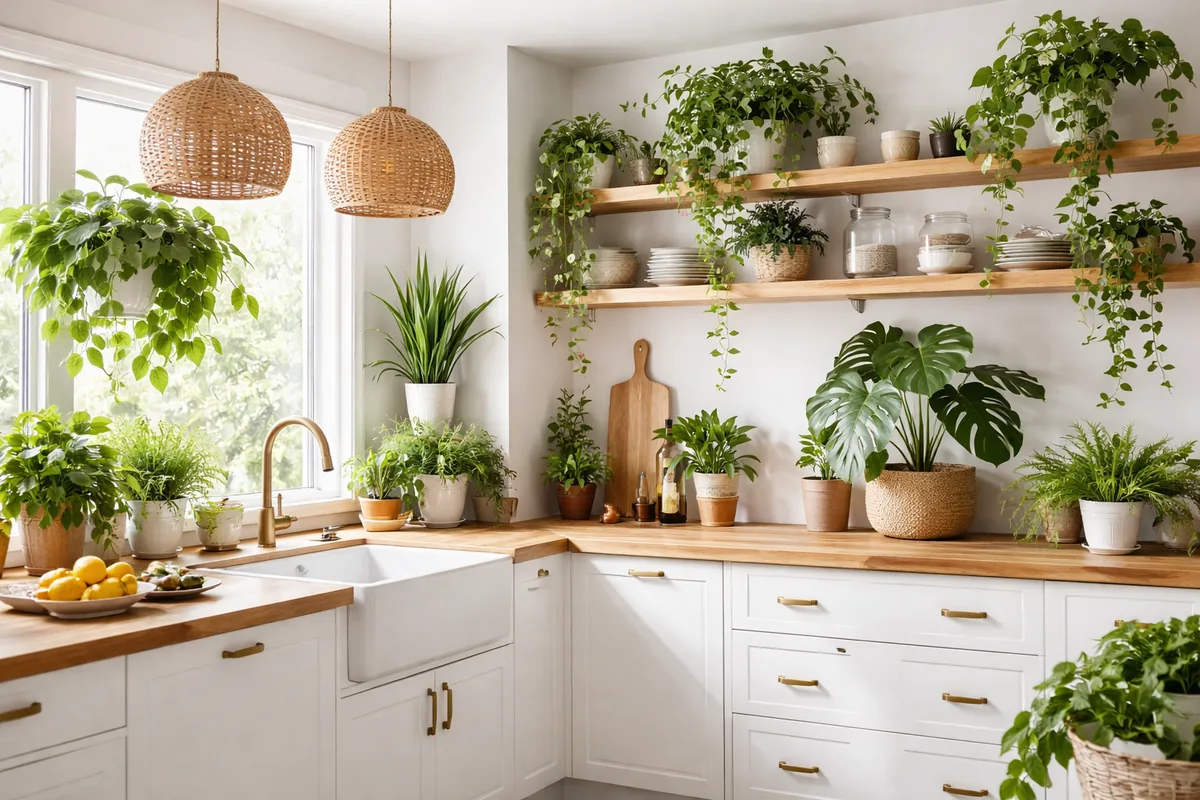
| Green | Symbolizes health; freshness | Herb gardens; kitchen accents |
| Red | Stimulates appetite; energizing | Accent walls; decor |
Combining textures with colors
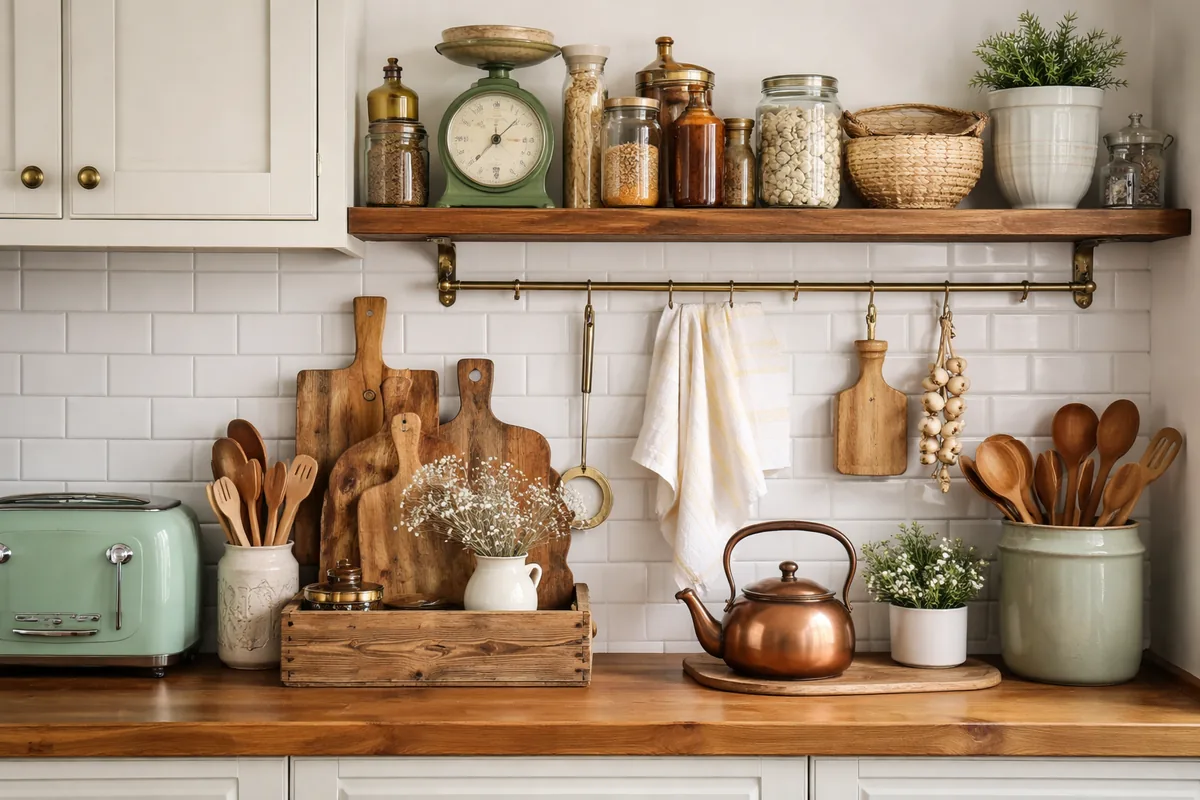
Incorporating different textures along with color can elevate your kitchen decor by adding depth and interest. For example, pairing matte cabinets with glossy tiles can create a dynamic look that is visually appealing. Similarly, mixing materials like wood and metal can harmonize your chosen color scheme while offering a balanced design. Consider elements such as textured backsplashes, woven baskets, or wooden counter stools to complement your color choices.
Maintaining color throughout the space
Ensure that the color scheme is consistently applied throughout your kitchen to create a cohesive look. This includes cabinetry, wall color, countertops, and accessories. When selecting your color palette, envision how each element interacts with others. Consistency does not mean monotony; instead, you can incorporate various shades of the same color family for added depth and complexity.
FAQ
How can I make a small kitchen feel larger using color?
To make a small kitchen feel larger, opt for light colors on walls and cabinetry while keeping darker colors as accents. This will help reflect light and create an airy feel.
What colors should I avoid in kitchen decor?
Avoid overly dark colors in small kitchens, as they can make the space feel cramped. Additionally, clashing colors can create visual chaos, so ensure your palette is harmonious.
What types of paint are best for kitchen cabinets?
Look for semi-gloss or high-gloss paint for kitchen cabinets, which are more durable, easier to clean, and resistant to moisture, making them ideal for a kitchen environment.
Can I mix different colors for kitchen cabinets?
Yes, mixing colors for kitchen cabinets can add depth and interest. Consider maintaining a similar tone or undertone for cohesion while using contrasting colors for bottom and top cabinets.
How do I refresh my kitchen decor without painting?
You can refresh your kitchen decor using colorful accessories, new textiles like curtains or rugs, and trendy hardware on cabinets and drawers to give it a fresh look without painting.