How to choose the right backsplash for your kitchen style
Choosing the right backsplash for your kitchen involves a blend of style, functionality, and personal preference. A well-chosen backsplash not only enhances visual appeal but also protects your walls from moisture and stains. Initially, consider the overall design style of your kitchen – whether it leans more toward traditional, contemporary, or rustic themes, as this will guide your selection.
Understanding different kitchen styles
Each kitchen style has specific characteristics that can help you choose a complementary backsplash. Traditional kitchens often feature decorative elements and warm colors, making materials like ceramic tile or stone a suitable choice. On the other hand, contemporary kitchens are known for their sleek lines and minimalist design, which might call for a simple glass or metal backsplash.
Color palette considerations
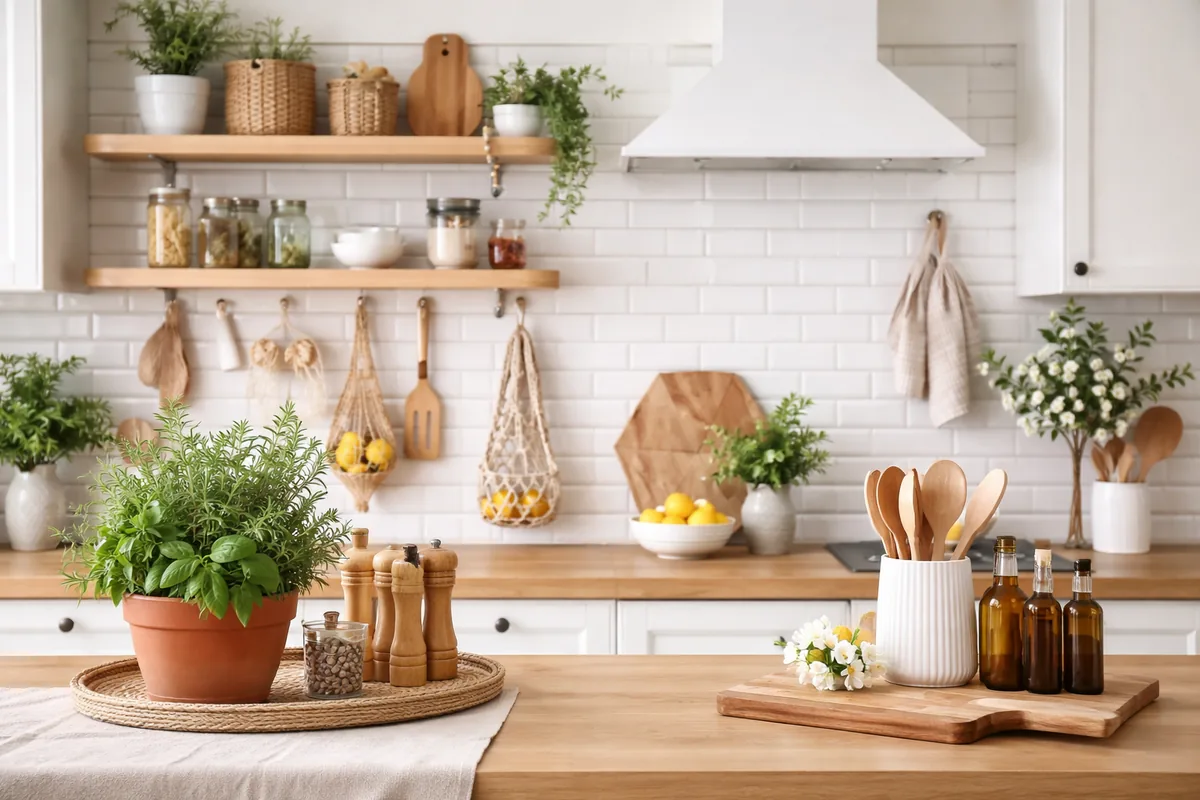
The color of your backsplash should harmonize with your kitchen’s existing color scheme. Light-colored backsplashes can create a spacious feel, particularly beneficial in smaller kitchens. For instance, a classic white subway tile pairs well with most color palettes. However, bold colors, like deep blues or vibrant greens, can make a striking statement against neutral cabinets. To help you visualize, here's a basic guide on color pairings:
| Cabinet Color | Recommended Backsplash Colors |
|---|---|
| White | Light grey, teal, or classic black |
| Wood Stain | Beige, muted greens, or ceramics |
| Grey | Bright white, warm cream, or textured patterns |
| Bold Colors (e.g., Blue, Green) | Neutral tones such as white or grey |
Material selection and durability
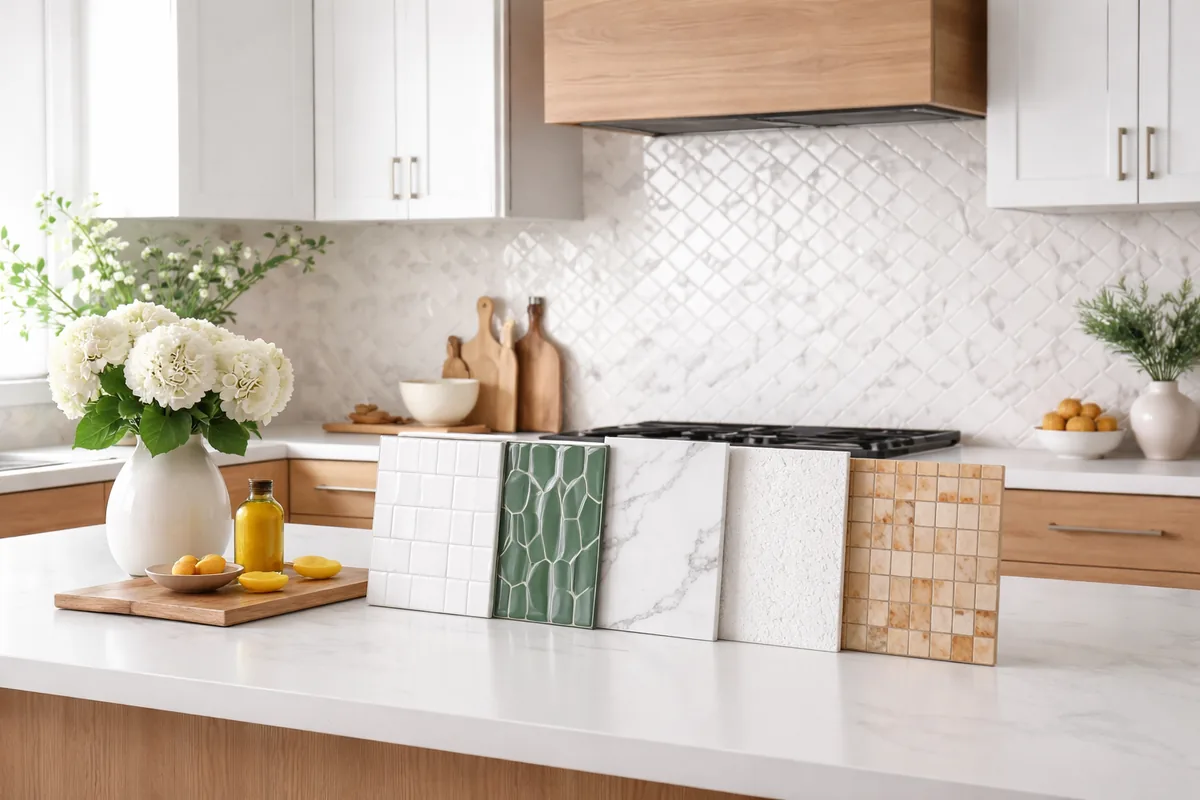
The choice of material is crucial for long-term satisfaction with your backsplash. Popular options include ceramic, glass, metal, and stone. Ceramic tiles offer a wide range of designs and are relatively durable and easy to clean. Glass backsplashes can reflect light, adding depth, while stainless steel can create a sleek, modern look, particularly in commercial-style kitchens. Consider the location of your backsplash; areas behind the stove may require heat-resistant materials, whereas behind sinks may need to withstand water and moisture.
Patterns and textures for added interest
Patterns and textures can elevate the aesthetic appeal of a kitchen backsplash. Herringbone and chevron patterns introduce sophistication, while textured tiles like 3D designs add dimension to your walls. When selecting a pattern, keep in mind that busy designs can overwhelm smaller spaces. In contrast, larger spaces may benefit from a more intricate design. For those interested in DIY projects, creating a unique pattern with peel-and-stick tiles can be an affordable and easy way to customize your space.
Budgeting for your backsplash
Determining a budget before you start shopping is essential. Backsplash materials can range significantly in costs. Affordable options like ceramic tiles might average $2 to $5 per square foot, while premium materials such as natural stone or handcrafted tiles can reach upwards of $30 per square foot or more. Factor in installation costs if you're hiring a professional. If you're on a tight budget, consider smaller accent backsplashes or using more cost-effective materials in focal areas to keep expenses manageable.
Maintaining your backsplash
No matter the material you choose, regular maintenance ensures your backsplash looks its best. Ceramic and glass are generally easy to clean with a damp cloth, while natural stone may require specific cleaning products to prevent damage. An important tip is to seal porous materials regularly to protect against stains, especially in a high-moisture environment like the kitchen.
FAQ
What is the best material for a kitchen backsplash?
The best material varies depending on your style, budget, and the area’s usage. Ceramic, glass, and stainless steel are popular choices for durability and aesthetic appeal.
Can I install a backsplash myself?
Yes, many homeowners choose to install backsplashes themselves, especially with peel-and-stick tiles or ceramic options. However, more complex materials may require professional installation for best results.
How do I clean my kitchen backsplash?
Cleaning depends on the material. Generally, a mixture of warm water and mild soap suffices. Avoid abrasive cleaners on delicate surfaces like natural stone.
What backsplash colors work best in a small kitchen?
Light colors, such as whites and pastels, can create an illusion of space and reflect light, which is beneficial in a small kitchen.
How much should I budget for a kitchen backsplash?
Budgeting can range from $2 to $30 per square foot, depending on the materials. Make sure to consider both the cost of tiles and installation.