Can you mix different kitchen cabinet styles effectively
Yes, you can effectively mix different kitchen cabinet styles to create a unique and personalized space. The key is to balance contrasting elements while maintaining a cohesive overall design.
Understanding the basics of cabinet styles
Before successfully mixing cabinet styles, it’s essential to understand the most common types. Traditional cabinets often feature intricate woodwork, raised panels, and decorative moldings, providing a classic appeal. Contemporary styles tend to embrace clean lines and minimalistic designs with a focus on function, often using materials like stainless steel or glossy finishes. Shaker cabinets are characterized by their simple flat panel design and are versatile enough to complement various styles. Finally, farmhouse cabinets typically blend rustic elements with modern functionality, utilizing distressed finishes and open shelving.
Establishing a color palette
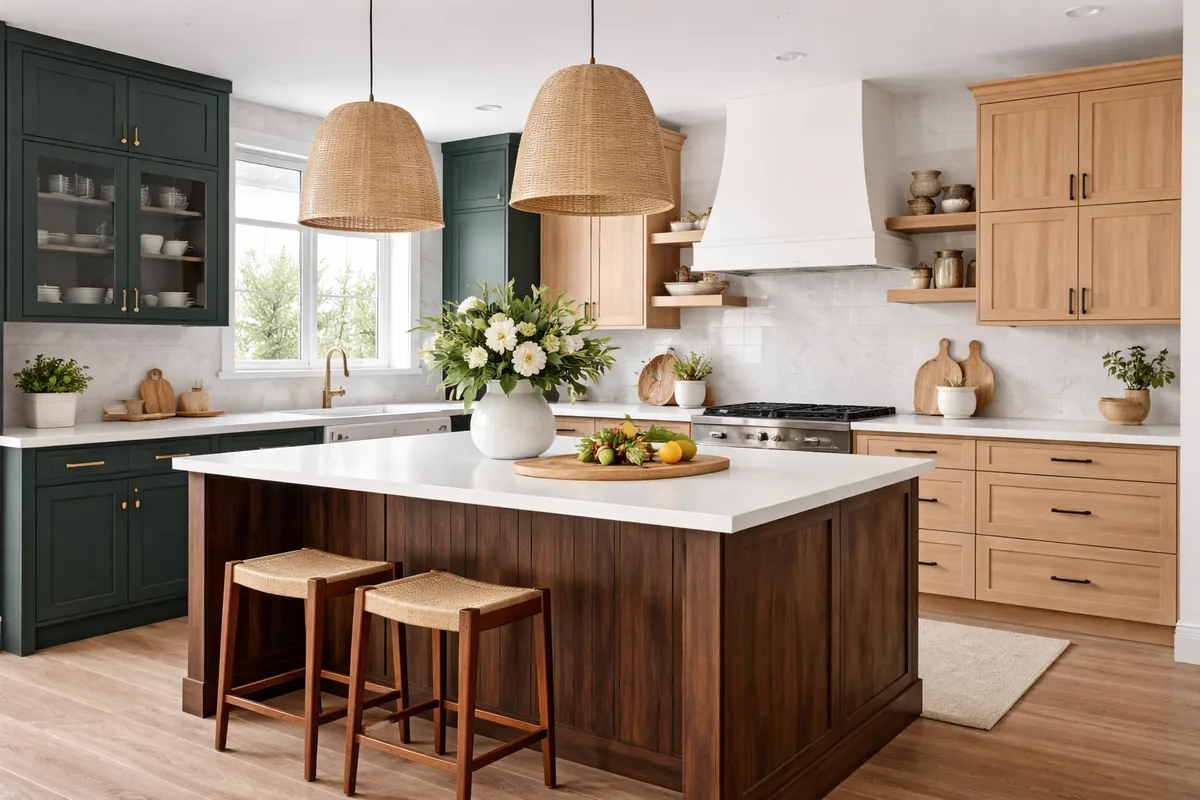
Choosing a cohesive color palette is vital when mixing cabinet styles. Start with one primary color that you love—this will be the base of your kitchen decor. For example, if you select a warm beige for your Shaker cabinets, consider pairing them with a contrasting navy blue for more traditional styles. Limiting your color scheme to two to three complementary colors will ensure a harmonious look while allowing each cabinet style to shine.
Creating a focal point
A focal point in your kitchen can help tie different cabinet styles together. For instance, you can make one style more dominant, such as traditional cabinets in the center of the kitchen, while flanking them with modern cabinetry on the sides. Additionally, consider adding an eye-catching backsplash or a statement island that echoes the dominant cabinet tone and serves as a bridge between the different styles.
Utilizing hardware to unify styles
Cabinet hardware, including handles and knobs, plays a significant role in defining the overall aesthetic of your kitchen. To unify mixed styles, opt for consistent hardware across all cabinet types. For example, if you choose matte black pulls for your modern cabinets, consider using similar matte black knobs on your traditional cabinet doors. This creates a seamless transition and visually connects different elements of your kitchen.
Incorporating open shelving
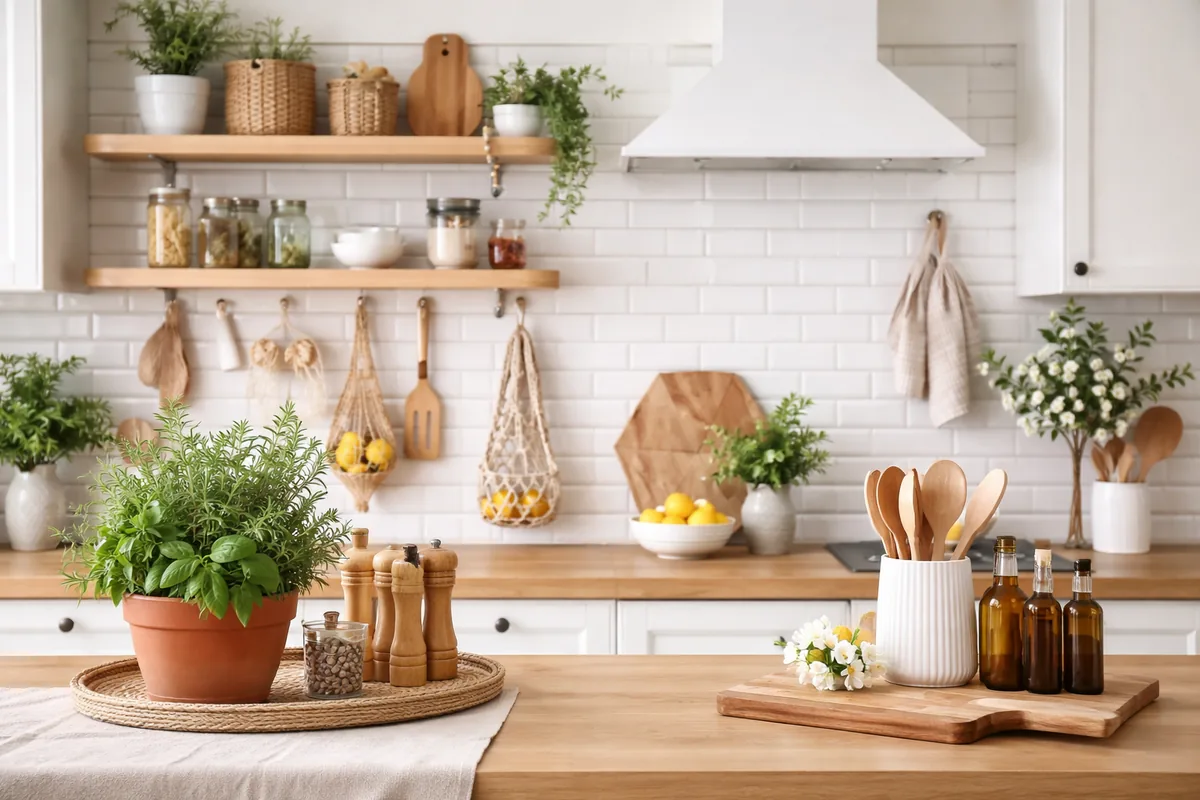
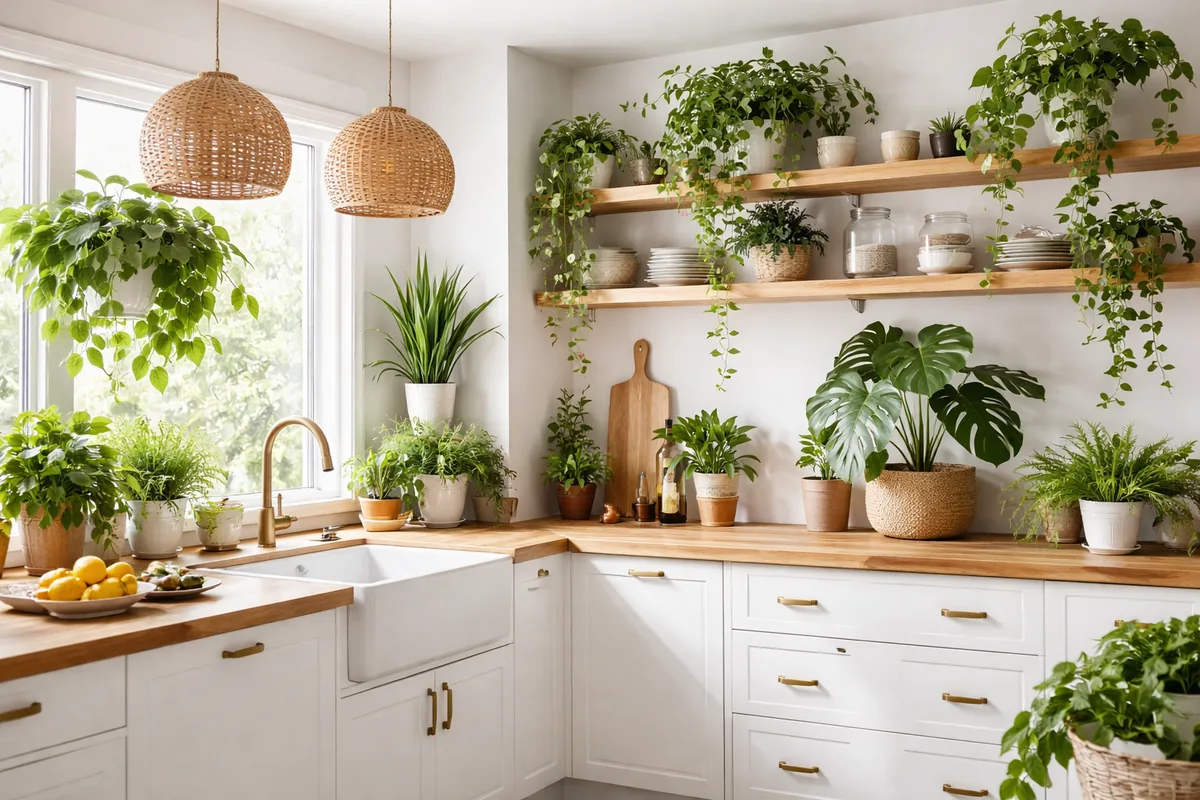
Open shelving is a fantastic way to blend cabinet styles while adding dimension and functionality to your kitchen. Rather than confining yourself to just closed cabinets, incorporate open shelving to display beautifully organized dishware or decorative items. This not only breaks up the uniformity of the cabinet styles but also introduces personal touches that reflect your style and taste.
Adding accessories and decor
Your choice of accessories can dramatically influence how well mixed cabinet styles work together. Consider using kitchen accessories that subtly reference your cabinet finishes. For example, if one cabinet style is white and another is dark wood, include dishware or decorative pieces that incorporate both colors to create harmony. Accent pieces like rugs, artwork, and window treatments can also tie together different elements and unify the space.
Creating visual continuity
To avoid a chaotic look, aim for visual continuity by repeating certain design elements across varying cabinet styles. This can be achieved through elements such as similar textures, profiles, or shapes. For instance, if your farmhouse cabinets have a rustic texture, consider incorporating a textured finish on your modern cabinets. This creates connections while still allowing individual styles to have their unique characteristics.
| Cabinet Style | Characteristics | Best Paired With |
|---|---|---|
| Traditional | Intricate woodwork, raised panels | Shaker, Farmhouse |
| Modern | Sleek lines, minimalistic design | Contemporary, Industrial |
| Shaker | Simple flat panels | All styles |
| Farmhouse | Rustic, distressed wood | Traditional, Vintage |
Considering scale and proportion
When mixing cabinet styles, it's crucial to consider scale and proportion, especially in smaller kitchens where space is limited. Ensure that the styles chosen do not overpower one another. A smaller cabinet style can get lost in a mix if it is overshadowed by more dominant pieces. Aim for a balance of large and small units, and avoid overcrowding the space, which can lead to a chaotic feel.
Conclusion
Mixing different kitchen cabinet styles effectively requires a clear strategy and an understanding of how to create cohesion within your space. By carefully considering color palettes, focal points, hardware choices, and accessories, you can achieve a kitchen that harmonizes diverse styles and showcases your personal flair.
FAQ
Can I mix colors in different cabinet styles?
Yes, mixing colors in cabinet styles can create a beautiful contrast, but it’s important to choose complementary shades to maintain harmony.
What are the best cabinet styles to mix?
The best styles to mix often include Shaker with Traditional or Modern with Farmhouse to maintain both character and functionality.
How can I ensure my mixed cabinet styles look cohesive?
Establish a common color palette, use consistent hardware, and incorporate accessories that draw all elements together.
Are there any mistakes to avoid when mixing cabinet styles?
Avoid overly complex combinations and maintain a balance in the size and scale of cabinets to prevent an overcrowded or mismatched look.
Can open shelving work with mixed cabinet styles?
Absolutely! Open shelving is an excellent addition that can unify different styles while displaying your personal kitchen decor.